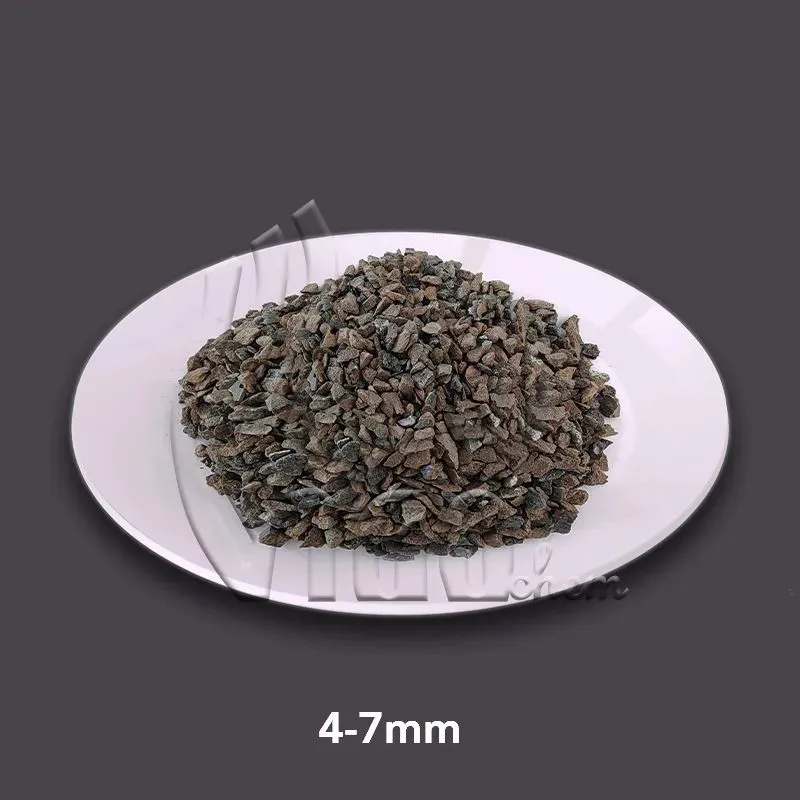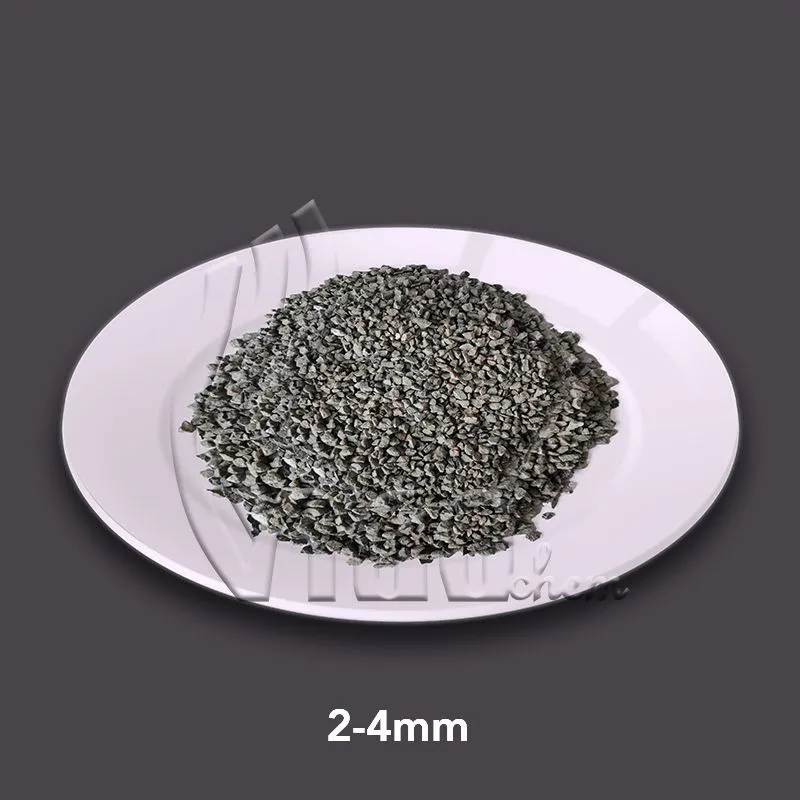
Acetylene Production Process Calcium Carbide
Introduction
Calcium carbide is essential in the acetylene production process. This chemical compound plays a crucial role in creating acetylene gas, which is widely used in various industries. The production of acetylene from calcium carbide can sometimes pose challenges. For example, understanding the efficiency of the process and the necessary conditions can be complex. In this article, we will simplify the acetylene production process using calcium carbide and look at its importance in manufacturing.
Furthermore, we will discuss its industrial applications, safety measures, and environmental considerations.
Summary Answer
The acetylene production process from calcium carbide involves adding water to calcium carbide, producing acetylene gas and calcium hydroxide.
1. Main Steps in Acetylene Production
1.1 Calcium Carbide Synthesis
Calcium carbide is produced by heating limestone and coke in an electric furnace. This reaction typically occurs at temperatures exceeding 2000 degrees Celsius. The chemical equation for this reaction is:
CaO + 3C → CaC2 + CO
1.2 Reaction with Water
The reaction of calcium carbide with water is straightforward and crucial. When calcium carbide meets water, it generates acetylene gas.
The equation is:
CaC2 + 2H2O → C2H2 + Ca(OH)2
1.3 Collection of Acetylene Gas
After the reaction, acetylene gas needs to be collected. This can be done using gas-tight containers that safely capture the gas. This step is vital to avoid gas leaks and ensure safety.
1.4 Purification Process
Once collected, acetylene gas may have impurities. To ensure its quality, purification steps are necessary. This is typically done through filtration and specific chemical processes.
1.5 Storage of Acetylene
Acetylene is stored in cylinders under pressure. Proper storage methods are crucial to prevent any explosion risk from the gas.
2. Industrial Applications of Acetylene
2.1 Welding and Cutting
Acetylene is often used in welding due to its high flame temperature. The flame can reach around 3,500 degrees Celsius, making it effective for metalworking.
2.2 Production of Chemicals
Acetylene is a key component in making various chemicals. It is used in producing plastics, synthetic rubber, and different types of resins.
2.3 Manufacturing of Light Sources
Historically, acetylene was used in gas lamps. Today, it has been largely replaced but still finds application in niche lighting solutions.
3. Safety Measures in Acetylene Production
3.1 Handling Calcium Carbide
Calcium carbide can be hazardous if not handled properly. It can produce flammable gas upon contact with moisture. Therefore, ensuring a dry environment is crucial when handling it.
3.2 Storing Acetylene
Storage norms for acetylene require the use of specially designed cylinders. These cylinders should always remain upright and away from heat sources.
Conclusion
In summary, the acetylene production process using calcium carbide is a key industrial method. It involves simple yet effective chemical reactions, starting with calcium carbide and water. With its various applications, safety precautions are vital to prevent hazards. By understanding this process, industries can efficiently produce acetylene for different uses.
FAQ
1. What is calcium carbide?
Calcium carbide is a chemical compound made from calcium and carbon, essential for producing acetylene gas.
2. How is acetylene produced from calcium carbide?
Acetylene is formed when calcium carbide reacts with water, releasing acetylene gas and calcium hydroxide.
3. Is calcium carbide safe to handle?
Calcium carbide can be hazardous when wet. It must be stored dry and handled with care to avoid exposure to moisture.
4. What are the uses of acetylene?
Acetylene is used in welding, chemical production, and historically in lighting applications.
-
RNPREVIOUS_POST The difference between carbide method and ethylene method
-
RNNEXT_POST Calcium Carbide: The Desulfurization Solution You Need