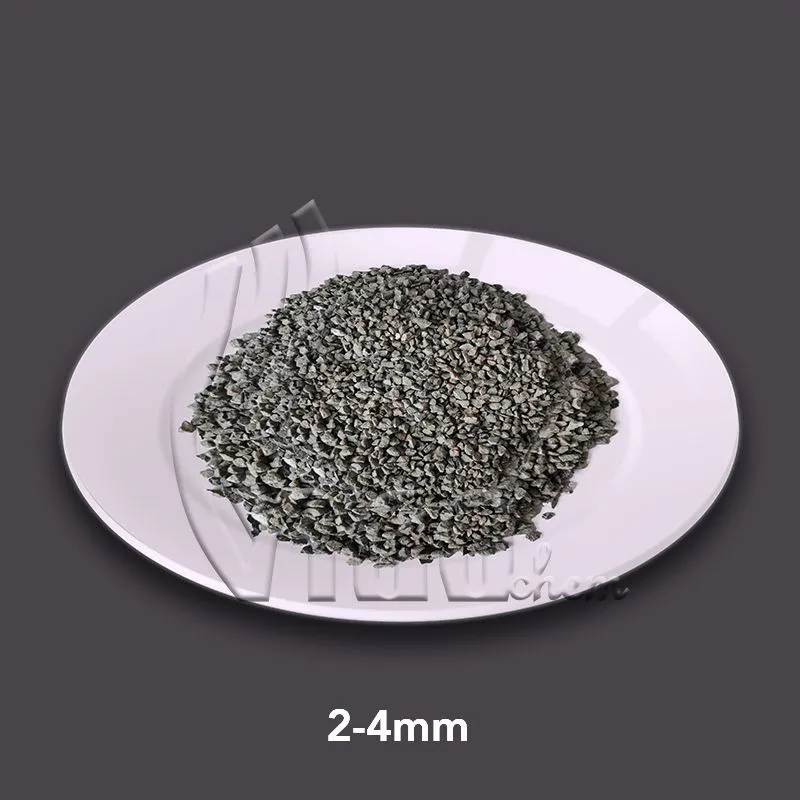
Calcium Carbide Acetylene Manufacturing

Introduction

Calcium carbide is crucial for acetylene manufacturing. Acetylene is a widely used gas in welding and chemical reactions. The problem arises in understanding how calcium carbide is made and utilized. Many people are curious about its production and safety measures. This article will provide insights into the calcium carbide manufacturing process, its applications, and associated risks. 

Summary Answer

**Calcium carbide is produced by heating lime and coke at high temperatures. It generates acetylene gas, which is used in various industrial processes and applications.**

Main Points

1. What is Calcium Carbide?

Calcium carbide is a chemical compound with the formula CaC2. It appears as a greyish solid. The compound reacts with water to produce acetylene gas. Its applications range from welding to the production of chemicals. It is also a precursor for various other reactions.

Applications and Benefits

- Used in welding as a fuel gas.

- Important in the production of plastics and pharmaceuticals.

- Essential in the synthesis of acetylene derivatives.

2. Calcium Carbide Production Process

The production of calcium carbide involves a simple yet effective process. Here’s a step-by-step overview:

  1. Mix lime (CaO) and coke (carbon) in a furnace.

  2. Heat the mixture to about 2000 degrees Celsius.

  3. Allow the materials to react, forming calcium carbide.

This method is efficient and allows for large-scale production of calcium carbide.

Key Data

- Reaction Temperature: 2000 degrees Celsius.

- Materials Used: Lime and Coke.

- Overall Reaction: CaO + 3C → CaC2 + CO.

3. Uses of Acetylene from Calcium Carbide

Acetylene, derived from calcium carbide, is used in various sectors:

  • In welding and cutting metals.

  • For the synthesis of organic chemicals.

  • In the production of plastics and resins.

Market Overview

The acetylene market has been growing steadily. It is essential in many industrial applications, contributing significantly to the global economy.

4. Safety Concerns with Calcium Carbide

Safety is crucial when handling calcium carbide due to its reactivity. Key concerns include:

  • Reacts violently with water, producing acetylene gas which is highly flammable.

  • Storage must be dry and away from moisture to prevent hazardous reactions.

  • Requires proper protective equipment during handling.

Recommendations

- Always wear protective gear such as gloves and goggles.

- Store calcium carbide in a cool, dry place.

- Follow safety guidelines for emergency situations.

Conclusion

This article discussed calcium carbide, highlighting its importance in acetylene manufacturing. Understanding the process, uses, and safety measures ensures safe handling in various industrial applications. Calcium carbide plays a vital role in modern manufacturing and chemistry.

FAQ

1. What is the main use of calcium carbide?

Calcium carbide is primarily used to produce acetylene gas.

2. Is calcium carbide safe to handle?

While useful, it must be handled with care due to its reactivity.

3. How is acetylene produced from calcium carbide?

By reacting calcium carbide with water, acetylene gas is generated.

4. What industries utilize acetylene?

Welding, chemical production, and manufacturing sectors utilize acetylene widely.

Relate News

Fruit maturation using calcium carbide is a common practice in many countries to ripen fruits quickly. This method has garnered attention due to its practicality, especially in places where fruits need to be ripened rapidly for market sale.

The global calcium carbide market is in a state of flux, with prices predicted to witness significant changes by 2025. Industry stakeholders face pain points such as volatile pricing and supply chain disruptions, which can impact budgeting and project timelines.

Calcium carbide is a crucial chemical compound that plays a significant role in various industries. The demand for calcium carbide is growing due to its applications in producing acetylene gas, which is used in welding and cutting processes.

Carbide is used in different industries and applications including: (1) Production of acetylene The reaction of calcium carbide with water, producing acetylene and calcium hydroxide.

Calcium Carbide is also called calcium acetylide, which is a chemical compound having the chemical formula of CaC2. Mainly, it is used industrially for the production of calcium cyanimide and acetylene and Ethylene.

In recent years, calcium carbide has gained prominence as a critical compound in various industries, particularly those involving chemical manufacturing and agriculture. As a leading calcium carbide supplier, NEW OCEAN GROUP recognizes the significance of calcium carbide's emergence in solving challenges in these sectors.

Calcium carbide plays a crucial role in the steel industry. It helps improve the quality of steel while being an important component in various processes. This compound can enhance desulfurization, increase efficiency, and reduce production costs. Many steel manufacturers rely on calcium carbide to ensure the purity of their products. However, ther

Calcium carbide is commonly used in agriculture to accelerate the ripening of fruits. The calcium carbide agricultural ripening process addresses several pain points for farmers and distributors, including the need for timely harvests and improved fruit quality.

To Define Do Not Be Defined

To Define Do Not Be Defined

  • Country
  • Afghanistan
  • Albania
  • Algeria
  • American Samoa
  • Andorra
  • Angola
  • Anguilla
  • Antarctica
  • Antigua and Barbuda
  • Argentina
  • Armenia
  • Aruba
  • Australia
  • Austria
  • Azerbaijan
  • Bahamas
  • Bahrain
  • Bangladesh
  • Barbados
  • Belarus
  • Belgium
  • Belize
  • Benin
  • Bermuda
  • BBhutan
  • Bolivia
  • Bosnia and Herzegovina
  • Botswana
  • Bouvet Island
  • Brazil
  • British Indian Ocean Territory
  • Brunei Darussalam
  • Bulgaria
  • Burkina Faso
  • Burundi
  • Cambodia
  • Cameroon
  • Canada
  • Cape Verde
  • Cayman Islands
  • Central African Republic
  • Chad
  • Chile
  • China
  • Christmas Island
  • Cocos (Keeling) Islands
  • Colombia
  • Comoros
  • Congo
  • Cook Islands
  • Costa Rica
  • Cote D'Ivoire
  • Croatia
  • Cuba
  • Cyprus
  • Czech Republic
  • Denmark
  • Djibouti
  • Dominica
  • East Timor
  • Ecuador
  • Egypt
  • El Salvador
  • Equatorial Guinea
  • Eritrea
  • Estonia
  • Ethiopia
  • Falkland Islands (Malvinas)
  • Faroe Islands
  • Fiji
  • Finland
  • France, Metropolitan
  • French Guiana
  • French Polynesia
  • Gabon
  • Gambia
  • Georgia
  • Germany
  • Ghana
  • Gibraltar
  • Greece
  • Greenland
  • Grenada
  • Guadeloupe
  • Guam
  • Guatemala
  • Guinea
  • Guinea-Bissau
  • Guyana
  • Haiti
  • Honduras
  • Hong Kong, China
  • Hungary
  • Iceland
  • India
  • Indonesia
  • Iran (Islamic Republic of)
  • Iraq
  • Ireland
  • Israel
  • Italy
  • Jamaica
  • Japan
  • Jordan
  • Kazakhstan
  • Kenya
  • Kiribati
  • North Korea
  • South Korea
  • Kuwait
  • Kyrgyzstan
  • Lao People's Democratic Republic
  • Latvia
  • Lebanon
  • Lesotho
  • Liberia
  • Libyan Arab Jamahiriya
  • Liechtenstein
  • Lithuania
  • Luxembourg
  • Macau
  • Madagascar
  • Malawi
  • Malaysia
  • Maldives
  • Mali
  • Malta
  • Marshall Islands
  • Martinique
  • Mauritania
  • Mauritius
  • Mayotte
  • Mexico
  • Micronesia
  • Moldova
  • Monaco
  • Mongolia
  • Montserrat
  • Morocco
  • Mozambique
  • Myanmar
  • Namibia
  • Nauru
  • Nepal
  • Netherlands
  • New Caledonia
  • New Zealand
  • Nicaragua
  • Niger
  • Nigeria
  • Niue
  • Norfolk Island
  • Northern Mariana Islands
  • Norway
  • Oman
  • Pakistan
  • Palau
  • Panama
  • Papua New Guinea
  • Paraguay
  • Peru
  • Philippines
  • Pitcairn
  • Poland
  • Portugal
  • Puerto Rico
  • Qatar
  • Reunion
  • Romania
  • Russian Federation
  • Rwanda
  • Saint Kitts and Nevis
  • Saint Lucia
  • Saint Vincent and the Grenadines
  • Samoa
  • San Marino
  • Saudi Arabia
  • Senegal
  • Seychelles
  • Sierra Leone
  • Singapore
  • Slovak Republic
  • Slovenia
  • Solomon Islands
  • Somalia
  • South Africa
  • Spain
  • Sri Lanka
  • St. Helena
  • Sudan
  • Suriname
  • Swaziland
  • Sweden
  • Switzerland
  • Syrian Arab Republic
  • Taiwan, China
  • Tajikistan
  • Tanzania
  • Thailand
  • Togo
  • Tokelau
  • Tonga
  • Trinidad and Tobago
  • Tunisia
  • Turkey
  • Turkmenistan
  • Turks and Caicos Islands
  • Tuvalu
  • Uganda
  • Ukraine
  • United Arab Emirates
  • United Kingdom
  • United States
  • Uruguay
  • Uzbekistan
  • Vanuatu
  • Vatican City State (Holy See)
  • Venezuela
  • Viet Nam
  • Virgin Islands (U.S.)
  • Wallis and Futuna Islands
  • Western Sahara
  • Yemen
  • Zambia
  • Zimbabwe
  • Montenegro
  • Serbia
  • Palestine
  • South Sudan
  • Jersey
Code
Code