
Calcium Carbide In Steel Industry Applications

Introduction

Calcium carbide plays a crucial role in the steel industry. It helps improve the quality of steel while being an important component in various processes. This compound can enhance desulfurization, increase efficiency, and reduce production costs. Many steel manufacturers rely on calcium carbide to ensure the purity of their products. However, there are still challenges in understanding its full potential. In this article, we will explore how calcium carbide fits into the steel industry and its applications.
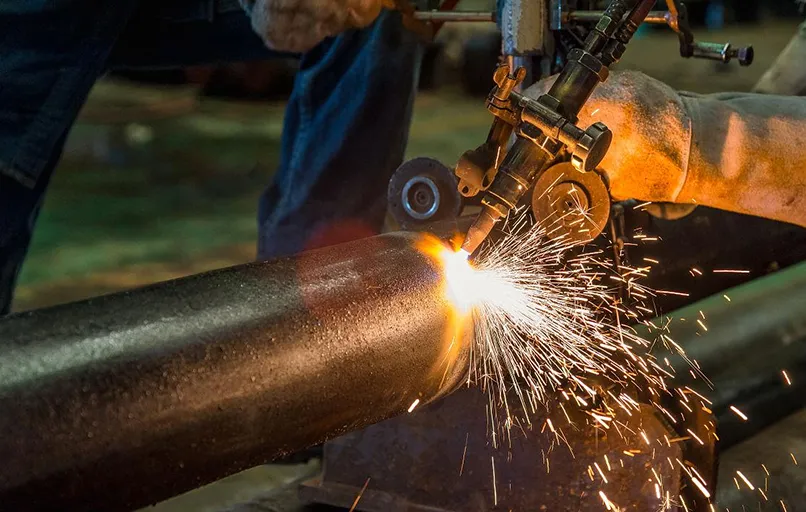

Application of Calcium Carbide in Cutting and Welding for Metal Material

Calcium carbide is essential in the steel industry for processes like desulfurization, carbide production, and providing a vital calcium source.

Applications of Calcium Carbide in the Steel Industry

1. Desulfurization

Enhancing Steel Quality

Desulfurization is a key process in steel making. Calcium carbide helps reduce sulfur content in molten iron and steel. This process enhances the quality of steel by preventing brittleness and improving its strength. Steel manufacturers frequently use calcium carbide to achieve required sulfur levels.

2. Carbide Production

Foundation for Other Materials

Calcium carbide is used to produce acetylene gas, which is important in various applications. This gas is used in welding and cutting metals. The production of acetylene traditionally starts with calcium carbide. This creates a strong link between carbide production and the steel industry.

3. Calcium Source

Supplement to Ferroalloys

Calcium is crucial in many ferroalloys used to improve the mechanical properties of steel. Calcium carbide provides a significant source of calcium. Including calcium carbide in production increases the availability of this important element, which boosts steel quality.

Conclusion

In summary, calcium carbide plays vital roles in the steel industry. Its uses including desulfurization, carbide production, and as a source of calcium show its importance. As steel manufacturing continues to evolve, calcium carbide from NEW OCEAN GROUP will remain essential for producing high-quality steel.

FAQ

Q: What is calcium carbide used for in the steel industry?

A: It is primarily used for desulfurization, carbide production, and as a calcium source in ferroalloys.

Q: Why is desulfurization important?

A: Reducing sulfur content prevents brittleness and improves the overall strength of steel.

Q: How is calcium carbide produced?

A: Calcium carbide is produced by heating calcium oxide with carbon in an electric arc furnace.

Q: Can calcium carbide be used in other industries?

A: Yes, it is also used in the production of acetylene gas, which has applications in welding and cutting.

Q: What benefits does calcium carbide provide in manufacturing?

A: It enhances product quality, reduces production costs, and increases efficiency.

Q: Where can I find quality calcium carbide?

A: NEW OCEAN GROUP provides various forms of calcium carbide for industrial use.

Relate News

Calcium carbide is a crucial compound widely utilized in various industries, particularly in mining and steel production. As a powerful reducing agent and source of acetylene, it plays an essential role in the production process of many metallurgical applications.

The debate between the ethylene process and the calcium carbide process for PVC production is more critical than ever, particularly as manufacturers seek to optimize costs and enhance product quality. Users often ask, "Which process is more efficient and cost-effective?” or “What are the environmental impacts of these methods?”

In the industries of metal processing, oil refining, and chemical manufacturing, achieving effective desulfurization is critical to product quality and environmental compliance. Calcium carbide, sourced from reputable calcium carbide suppliers like NEW OCEAN GROUP, offers a viable solution to combat sulfur emissions.

The global calcium carbide market is in a state of flux, with prices predicted to witness significant changes by 2025. Industry stakeholders face pain points such as volatile pricing and supply chain disruptions, which can impact budgeting and project timelines.

Polyvinyl chloride (PVC) is one of the most widely used synthetic plastic polymers, commonly produced through two main methods: the calcium carbide method and the ethylene method. This article provides an in-depth comparative analysis of both approaches, focusing on their advantages, disadvantages, and suitable applications.

Consider from the perspectives of cost factors, quality differences, molecular weight distribution, etc.

Industrial companies often confront the challenge of excessive sulfur emissions, leading to environmental concerns and regulatory pressures. One effective solution is the use of calcium carbide as a desulfurizer.

Calcium carbide is essential for mining and construction. This chemical compound enables the generation of acetylene gas, which is crucial for various industrial processes. In mining, it aids in carbide lamps that provide illumination in dark tunnels.

To Define Do Not Be Defined

To Define Do Not Be Defined

  • Country
  • Afghanistan
  • Albania
  • Algeria
  • American Samoa
  • Andorra
  • Angola
  • Anguilla
  • Antarctica
  • Antigua and Barbuda
  • Argentina
  • Armenia
  • Aruba
  • Australia
  • Austria
  • Azerbaijan
  • Bahamas
  • Bahrain
  • Bangladesh
  • Barbados
  • Belarus
  • Belgium
  • Belize
  • Benin
  • Bermuda
  • BBhutan
  • Bolivia
  • Bosnia and Herzegovina
  • Botswana
  • Bouvet Island
  • Brazil
  • British Indian Ocean Territory
  • Brunei Darussalam
  • Bulgaria
  • Burkina Faso
  • Burundi
  • Cambodia
  • Cameroon
  • Canada
  • Cape Verde
  • Cayman Islands
  • Central African Republic
  • Chad
  • Chile
  • China
  • Christmas Island
  • Cocos (Keeling) Islands
  • Colombia
  • Comoros
  • Congo
  • Cook Islands
  • Costa Rica
  • Cote D'Ivoire
  • Croatia
  • Cuba
  • Cyprus
  • Czech Republic
  • Denmark
  • Djibouti
  • Dominica
  • East Timor
  • Ecuador
  • Egypt
  • El Salvador
  • Equatorial Guinea
  • Eritrea
  • Estonia
  • Ethiopia
  • Falkland Islands (Malvinas)
  • Faroe Islands
  • Fiji
  • Finland
  • France, Metropolitan
  • French Guiana
  • French Polynesia
  • Gabon
  • Gambia
  • Georgia
  • Germany
  • Ghana
  • Gibraltar
  • Greece
  • Greenland
  • Grenada
  • Guadeloupe
  • Guam
  • Guatemala
  • Guinea
  • Guinea-Bissau
  • Guyana
  • Haiti
  • Honduras
  • Hong Kong, China
  • Hungary
  • Iceland
  • India
  • Indonesia
  • Iran (Islamic Republic of)
  • Iraq
  • Ireland
  • Israel
  • Italy
  • Jamaica
  • Japan
  • Jordan
  • Kazakhstan
  • Kenya
  • Kiribati
  • North Korea
  • South Korea
  • Kuwait
  • Kyrgyzstan
  • Lao People's Democratic Republic
  • Latvia
  • Lebanon
  • Lesotho
  • Liberia
  • Libyan Arab Jamahiriya
  • Liechtenstein
  • Lithuania
  • Luxembourg
  • Macau
  • Madagascar
  • Malawi
  • Malaysia
  • Maldives
  • Mali
  • Malta
  • Marshall Islands
  • Martinique
  • Mauritania
  • Mauritius
  • Mayotte
  • Mexico
  • Micronesia
  • Moldova
  • Monaco
  • Mongolia
  • Montserrat
  • Morocco
  • Mozambique
  • Myanmar
  • Namibia
  • Nauru
  • Nepal
  • Netherlands
  • New Caledonia
  • New Zealand
  • Nicaragua
  • Niger
  • Nigeria
  • Niue
  • Norfolk Island
  • Northern Mariana Islands
  • Norway
  • Oman
  • Pakistan
  • Palau
  • Panama
  • Papua New Guinea
  • Paraguay
  • Peru
  • Philippines
  • Pitcairn
  • Poland
  • Portugal
  • Puerto Rico
  • Qatar
  • Reunion
  • Romania
  • Russian Federation
  • Rwanda
  • Saint Kitts and Nevis
  • Saint Lucia
  • Saint Vincent and the Grenadines
  • Samoa
  • San Marino
  • Saudi Arabia
  • Senegal
  • Seychelles
  • Sierra Leone
  • Singapore
  • Slovak Republic
  • Slovenia
  • Solomon Islands
  • Somalia
  • South Africa
  • Spain
  • Sri Lanka
  • St. Helena
  • Sudan
  • Suriname
  • Swaziland
  • Sweden
  • Switzerland
  • Syrian Arab Republic
  • Taiwan, China
  • Tajikistan
  • Tanzania
  • Thailand
  • Togo
  • Tokelau
  • Tonga
  • Trinidad and Tobago
  • Tunisia
  • Turkey
  • Turkmenistan
  • Turks and Caicos Islands
  • Tuvalu
  • Uganda
  • Ukraine
  • United Arab Emirates
  • United Kingdom
  • United States
  • Uruguay
  • Uzbekistan
  • Vanuatu
  • Vatican City State (Holy See)
  • Venezuela
  • Viet Nam
  • Virgin Islands (U.S.)
  • Wallis and Futuna Islands
  • Western Sahara
  • Yemen
  • Zambia
  • Zimbabwe
  • Montenegro
  • Serbia
  • Palestine
  • South Sudan
  • Jersey
Code
Code