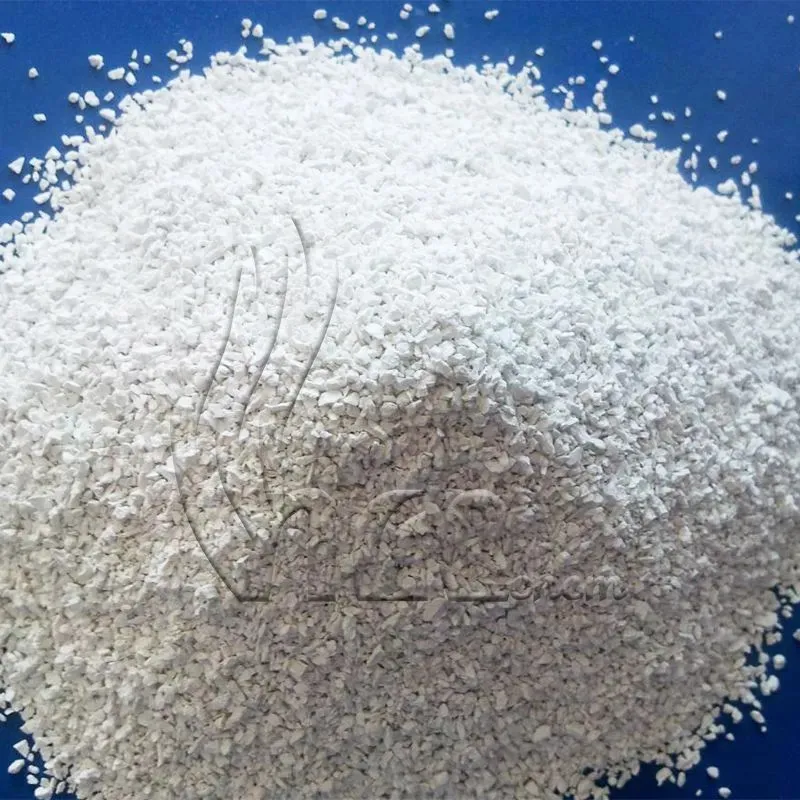
What Is the Difference Between 25-50mm and 50-80mm Calcium Carbide

Understanding the Difference Between 25-50mm and 50-80mm calcium carbide

Calcium carbide is a compound primarily used in the production of acetylene gas, which has significant applications in welding and metal cutting. The distinction between 25-50mm and 50-80mm calcium carbide refers to the size of the lumps, with each serving specific industrial needs. Businesses that require calcium carbide must understand these variations to optimize their applications effectively, ensuring they choose the right product for their operational requirements.

Historically, calcium carbide was first produced in the early 19th century and quickly gained traction in industries requiring high-temperature processes. The introduction of the electric arc furnace in 1892 by Thomas Edison marked a significant leap in calcium carbide production, paving the way for its widespread usage in various sectors, including agriculture, metalworking, and even the chemical industry. The relevance of calcium carbide continues today, especially with the growing demand for efficient energy sources and chemical feedstocks.

The practical applications of 25-50mm and 50-80mm calcium carbide vary significantly. The smaller 25-50mm size is often preferred in applications where rapid dissolution is necessary, such as in generating acetylene for welding. Meanwhile, 50-80mm calcium carbide is advantageous for longer burn times and higher efficiency in chemical production processes. Both sizes play crucial roles in different industrial settings, making their proper identification and usage vital for operational success.

Common misconceptions about these calcium carbide sizes often stem from a lack of understanding of their physical properties and suitable applications. Some operators believe that any size can be used interchangeably, ignoring the implications of size on reactivity and output. The truth is, choosing the right size can significantly impact dissolution rates, purity levels, and overall process efficiency. For instance, utilizing 50-80mm calcium carbide in a process requiring quick reaction rates could lead to suboptimal acetylene production, affecting timelines and efficiency.

To further clarify, consider two case studies from industries employing calcium carbide. In a welding application, a fabricator used 25-50mm calcium carbide for its quick dissolution, allowing for faster welds and reduced downtime. Conversely, a chemical plant opted for 50-80mm calcium carbide to maximize efficiency, leading to a 25% improvement in output and a subsequent reduction in energy costs. Such examples underscore how the size variations can considerably influence operational results.

In summary, understanding the difference between 25-50mm and 50-80mm calcium carbide is critical for businesses looking to optimize their processes. Each size serves a distinct purpose and can greatly affect the efficiency of operations, from welding to chemical production. By making informed decisions on which size to utilize, industry players can enhance productivity and profitability. For more detailed exploration on the applications and advantages of calcium carbide, consider reaching out to suppliers like NEW OCEAN GROUP, who adhere to rigorous testing standards, ensuring the quality and reliability of your calcium carbide needs.

For specific inquiries about 50-80mm calcium carbide, or to view available products, visit NEW OCEAN GROUP's website for further details.

Relate News

Calcium carbide is commonly used in agriculture to accelerate the ripening of fruits. The calcium carbide agricultural ripening process addresses several pain points for farmers and distributors, including the need for timely harvests and improved fruit quality.

Calcium carbide is essential for mining and construction. This chemical compound enables the generation of acetylene gas, which is crucial for various industrial processes. In mining, it aids in carbide lamps that provide illumination in dark tunnels.

In recent years, calcium carbide has gained prominence as a critical compound in various industries, particularly those involving chemical manufacturing and agriculture. As a leading calcium carbide supplier, NEW OCEAN GROUP recognizes the significance of calcium carbide's emergence in solving challenges in these sectors.

Calcium carbide plays a vital role in the steel industry, primarily used for the production of acetylene gas and as a desulfurizing agent in steelmaking. Understanding the pricing dynamics of calcium carbide is essential for steel manufacturers and suppliers who are looking to optimize their production costs.

25-50mm calcium carbide is crucial in industrial processing. It has various applications that can greatly benefit industries. This material primarily produces acetylene gas, which is used in welding and cutting. Additionally, calcium carbide aids in the production of chemicals and fertilizers. The efficient nature of this compound makes it a popula

In the world of industrial chemicals, calcium carbide is primarily known for its role in the production of acetylene gas. However, not all calcium carbide is created equal; the gas yield serves as a pivotal quality indicator.

Polyvinyl chloride (PVC) is one of the most widely used synthetic plastic polymers, commonly produced through two main methods: the calcium carbide method and the ethylene method. This article provides an in-depth comparative analysis of both approaches, focusing on their advantages, disadvantages, and suitable applications.

Fruit maturation using calcium carbide is a common practice in many countries to ripen fruits quickly. This method has garnered attention due to its practicality, especially in places where fruits need to be ripened rapidly for market sale.

To Define Do Not Be Defined

To Define Do Not Be Defined

  • Country
  • Afghanistan
  • Albania
  • Algeria
  • American Samoa
  • Andorra
  • Angola
  • Anguilla
  • Antarctica
  • Antigua and Barbuda
  • Argentina
  • Armenia
  • Aruba
  • Australia
  • Austria
  • Azerbaijan
  • Bahamas
  • Bahrain
  • Bangladesh
  • Barbados
  • Belarus
  • Belgium
  • Belize
  • Benin
  • Bermuda
  • BBhutan
  • Bolivia
  • Bosnia and Herzegovina
  • Botswana
  • Bouvet Island
  • Brazil
  • British Indian Ocean Territory
  • Brunei Darussalam
  • Bulgaria
  • Burkina Faso
  • Burundi
  • Cambodia
  • Cameroon
  • Canada
  • Cape Verde
  • Cayman Islands
  • Central African Republic
  • Chad
  • Chile
  • China
  • Christmas Island
  • Cocos (Keeling) Islands
  • Colombia
  • Comoros
  • Congo
  • Cook Islands
  • Costa Rica
  • Cote D'Ivoire
  • Croatia
  • Cuba
  • Cyprus
  • Czech Republic
  • Denmark
  • Djibouti
  • Dominica
  • East Timor
  • Ecuador
  • Egypt
  • El Salvador
  • Equatorial Guinea
  • Eritrea
  • Estonia
  • Ethiopia
  • Falkland Islands (Malvinas)
  • Faroe Islands
  • Fiji
  • Finland
  • France, Metropolitan
  • French Guiana
  • French Polynesia
  • Gabon
  • Gambia
  • Georgia
  • Germany
  • Ghana
  • Gibraltar
  • Greece
  • Greenland
  • Grenada
  • Guadeloupe
  • Guam
  • Guatemala
  • Guinea
  • Guinea-Bissau
  • Guyana
  • Haiti
  • Honduras
  • Hong Kong, China
  • Hungary
  • Iceland
  • India
  • Indonesia
  • Iran (Islamic Republic of)
  • Iraq
  • Ireland
  • Israel
  • Italy
  • Jamaica
  • Japan
  • Jordan
  • Kazakhstan
  • Kenya
  • Kiribati
  • North Korea
  • South Korea
  • Kuwait
  • Kyrgyzstan
  • Lao People's Democratic Republic
  • Latvia
  • Lebanon
  • Lesotho
  • Liberia
  • Libyan Arab Jamahiriya
  • Liechtenstein
  • Lithuania
  • Luxembourg
  • Macau
  • Madagascar
  • Malawi
  • Malaysia
  • Maldives
  • Mali
  • Malta
  • Marshall Islands
  • Martinique
  • Mauritania
  • Mauritius
  • Mayotte
  • Mexico
  • Micronesia
  • Moldova
  • Monaco
  • Mongolia
  • Montserrat
  • Morocco
  • Mozambique
  • Myanmar
  • Namibia
  • Nauru
  • Nepal
  • Netherlands
  • New Caledonia
  • New Zealand
  • Nicaragua
  • Niger
  • Nigeria
  • Niue
  • Norfolk Island
  • Northern Mariana Islands
  • Norway
  • Oman
  • Pakistan
  • Palau
  • Panama
  • Papua New Guinea
  • Paraguay
  • Peru
  • Philippines
  • Pitcairn
  • Poland
  • Portugal
  • Puerto Rico
  • Qatar
  • Reunion
  • Romania
  • Russian Federation
  • Rwanda
  • Saint Kitts and Nevis
  • Saint Lucia
  • Saint Vincent and the Grenadines
  • Samoa
  • San Marino
  • Saudi Arabia
  • Senegal
  • Seychelles
  • Sierra Leone
  • Singapore
  • Slovak Republic
  • Slovenia
  • Solomon Islands
  • Somalia
  • South Africa
  • Spain
  • Sri Lanka
  • St. Helena
  • Sudan
  • Suriname
  • Swaziland
  • Sweden
  • Switzerland
  • Syrian Arab Republic
  • Taiwan, China
  • Tajikistan
  • Tanzania
  • Thailand
  • Togo
  • Tokelau
  • Tonga
  • Trinidad and Tobago
  • Tunisia
  • Turkey
  • Turkmenistan
  • Turks and Caicos Islands
  • Tuvalu
  • Uganda
  • Ukraine
  • United Arab Emirates
  • United Kingdom
  • United States
  • Uruguay
  • Uzbekistan
  • Vanuatu
  • Vatican City State (Holy See)
  • Venezuela
  • Viet Nam
  • Virgin Islands (U.S.)
  • Wallis and Futuna Islands
  • Western Sahara
  • Yemen
  • Zambia
  • Zimbabwe
  • Montenegro
  • Serbia
  • Palestine
  • South Sudan
  • Jersey
Code
Code