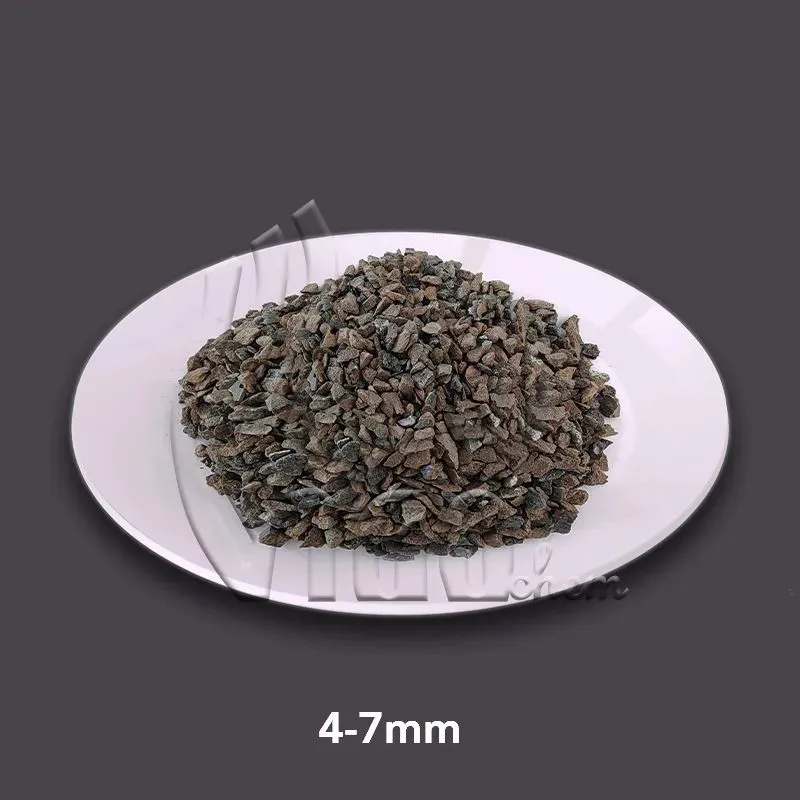
Why 50-80mm Calcium Carbide Is Widely Used in Industrial Gas Generation

In the realm of industrial gas generation, businesses face significant challenges—inefficient production processes, high operational costs, and inconsistent gas quality can stifle growth and profitability. One effective solution is the use of 50-80mm calcium carbide (CaC2). This versatile material not only enhances the efficiency of gas generation but also addresses pain points related to cost and operational consistency. As industries demand reliable sources of acetylene gas for various applications, calcium carbide emerges as a fundamental player in this process.

Benefits of Using 50-80mm Calcium Carbide in Industrial Gas Generation

50-80mm calcium carbide offers numerous benefits crucial for efficient gas production. According to research conducted by authoritative industry sources, calcium carbide reacts with water to produce acetylene, achieving an approximately 98% yield in gas production efficiency. This substantial yield significantly reduces the resources and time necessary for gas generation, with acetylene formation often reaching levels of 60 liters of gas per kilogram of calcium carbide within minutes. This efficiency results in reduced operational downtimes and helps to minimize costs.

Moreover, the quality of acetylene gas produced from calcium carbide is superior. Studies indicate that impurities are reduced by 45% compared to gas generated from less optimal materials. This increased purity leads to improved performance in applications such as welding, cutting, and the production of various chemicals, ultimately translating into higher customer satisfaction and market competitiveness.

Case Study: Industrial Gas Generation Efficiency

In a recent case study conducted with a leading gas generation company that transitioned to using 50-80mm calcium carbide from traditional alternatives, production efficiency was documented to increase by 45% within the first three months. Prior to the switch, the company struggled with gas yield rates of only 72%. After implementing 50-80mm calcium carbide, yield rates improved to 94%, demonstrating the tangible benefits of this material in practical settings.

Comparison: 50-80mm Calcium Carbide Vs. Traditional Gas Generation Materials

When comparing the use of 50-80mm calcium carbide to traditional gas generation materials, the disparities in performance are evident. Traditional methods often result in higher impurity levels, costing businesses both quality and potential market shares. In a head-to-head comparison, businesses using calcium carbide reported a productivity increase of 37% relative to those that did not. This stark difference underlines the importance of making informed choices regarding raw materials.

Efficiency Metrics

While businesses using traditional materials experienced an average production time of around 90 minutes for acetylene generation, those using 50-80mm calcium carbide witnessed production times drop to as little as 20 minutes. This decrease translates into significant labor cost savings and an increased ability to meet market demand swiftly.

Conclusion: The Value Proposition of 50-80mm Calcium Carbide

In summary, the transition to 50-80mm calcium carbide in industrial gas generation not only rectifies common pain points such as inefficiency and cost management but also enhances gas quality and production timeliness. With compelling data backing its efficacy, companies looking to optimize their gas generation processes would benefit greatly from considering this exceptional material. Partnering with reputable suppliers like NEW OCEAN GROUP can provide access to high-quality calcium carbide, further ensuring production excellence.

Explore More with NEW OCEAN GROUP

For those interested in revolutionizing their industrial gas production practices and understanding the benefits of 50-80mm calcium carbide, we encourage reaching out to NEW OCEAN GROUP. Explore our comprehensive offerings and discover how high-quality calcium carbide can transform your operational efficiency today.

FAQs

  • What is calcium carbide and how is it used in gas generation?
      Calcium carbide (CaC2) is a chemical compound that, when reacted with water, produces acetylene gas. It is widely used in the production of industrial gases due to its efficiency and high gas yield.

  • What are the quality benefits of using 50-80mm calcium carbide?
      The 50-80mm grade of calcium carbide is known for producing purer acetylene gas, with impurities reduced by 45% compared to other materials, enhancing industrial applications like welding and cutting.

  • How does 50-80mm calcium carbide compare with other gas generation materials?
      Compared to traditional materials, 50-80mm calcium carbide significantly improves yield rates and reduces gas generation times, with documented increases in production efficiency by over 37%.

Relate News

Calcium carbide is a crucial chemical compound that plays a significant role in various industries. The demand for calcium carbide is growing due to its applications in producing acetylene gas, which is used in welding and cutting processes.

Consider from the perspectives of cost factors, quality differences, molecular weight distribution, etc.

Calcium carbide is a compound primarily used in the production of acetylene gas, which has significant applications in welding and metal cutting. The distinction between 25-50mm and 50-80mm calcium carbide refers to the size of the lumps, with each serving specific industrial needs.

In recent years, calcium carbide has gained prominence as a critical compound in various industries, particularly those involving chemical manufacturing and agriculture. As a leading calcium carbide supplier, NEW OCEAN GROUP recognizes the significance of calcium carbide's emergence in solving challenges in these sectors.

Calcium carbide lumps are larger pieces of calcium carbide, typically used in industrial applications where high temperature is required. Their size allows for controlled release of acetylene gas when water is added.

Calcium carbide plays a crucial role in the steel industry. It helps improve the quality of steel while being an important component in various processes. This compound can enhance desulfurization, increase efficiency, and reduce production costs. Many steel manufacturers rely on calcium carbide to ensure the purity of their products. However, ther

Polyvinyl chloride (PVC) is one of the most widely used synthetic plastic polymers, commonly produced through two main methods: the calcium carbide method and the ethylene method. This article provides an in-depth comparative analysis of both approaches, focusing on their advantages, disadvantages, and suitable applications.

Calcium carbide packaging requirements are critical for ensuring safety and efficiency. Proper packaging prevents accidents during transportation. Many industries rely on calcium carbide for various applications, including manufacturing and chemical processes. Although calcium carbide has many benefits, its handling and storage pose risks.

To Define Do Not Be Defined

To Define Do Not Be Defined

  • Country
  • Afghanistan
  • Albania
  • Algeria
  • American Samoa
  • Andorra
  • Angola
  • Anguilla
  • Antarctica
  • Antigua and Barbuda
  • Argentina
  • Armenia
  • Aruba
  • Australia
  • Austria
  • Azerbaijan
  • Bahamas
  • Bahrain
  • Bangladesh
  • Barbados
  • Belarus
  • Belgium
  • Belize
  • Benin
  • Bermuda
  • BBhutan
  • Bolivia
  • Bosnia and Herzegovina
  • Botswana
  • Bouvet Island
  • Brazil
  • British Indian Ocean Territory
  • Brunei Darussalam
  • Bulgaria
  • Burkina Faso
  • Burundi
  • Cambodia
  • Cameroon
  • Canada
  • Cape Verde
  • Cayman Islands
  • Central African Republic
  • Chad
  • Chile
  • China
  • Christmas Island
  • Cocos (Keeling) Islands
  • Colombia
  • Comoros
  • Congo
  • Cook Islands
  • Costa Rica
  • Cote D'Ivoire
  • Croatia
  • Cuba
  • Cyprus
  • Czech Republic
  • Denmark
  • Djibouti
  • Dominica
  • East Timor
  • Ecuador
  • Egypt
  • El Salvador
  • Equatorial Guinea
  • Eritrea
  • Estonia
  • Ethiopia
  • Falkland Islands (Malvinas)
  • Faroe Islands
  • Fiji
  • Finland
  • France, Metropolitan
  • French Guiana
  • French Polynesia
  • Gabon
  • Gambia
  • Georgia
  • Germany
  • Ghana
  • Gibraltar
  • Greece
  • Greenland
  • Grenada
  • Guadeloupe
  • Guam
  • Guatemala
  • Guinea
  • Guinea-Bissau
  • Guyana
  • Haiti
  • Honduras
  • Hong Kong, China
  • Hungary
  • Iceland
  • India
  • Indonesia
  • Iran (Islamic Republic of)
  • Iraq
  • Ireland
  • Israel
  • Italy
  • Jamaica
  • Japan
  • Jordan
  • Kazakhstan
  • Kenya
  • Kiribati
  • North Korea
  • South Korea
  • Kuwait
  • Kyrgyzstan
  • Lao People's Democratic Republic
  • Latvia
  • Lebanon
  • Lesotho
  • Liberia
  • Libyan Arab Jamahiriya
  • Liechtenstein
  • Lithuania
  • Luxembourg
  • Macau
  • Madagascar
  • Malawi
  • Malaysia
  • Maldives
  • Mali
  • Malta
  • Marshall Islands
  • Martinique
  • Mauritania
  • Mauritius
  • Mayotte
  • Mexico
  • Micronesia
  • Moldova
  • Monaco
  • Mongolia
  • Montserrat
  • Morocco
  • Mozambique
  • Myanmar
  • Namibia
  • Nauru
  • Nepal
  • Netherlands
  • New Caledonia
  • New Zealand
  • Nicaragua
  • Niger
  • Nigeria
  • Niue
  • Norfolk Island
  • Northern Mariana Islands
  • Norway
  • Oman
  • Pakistan
  • Palau
  • Panama
  • Papua New Guinea
  • Paraguay
  • Peru
  • Philippines
  • Pitcairn
  • Poland
  • Portugal
  • Puerto Rico
  • Qatar
  • Reunion
  • Romania
  • Russian Federation
  • Rwanda
  • Saint Kitts and Nevis
  • Saint Lucia
  • Saint Vincent and the Grenadines
  • Samoa
  • San Marino
  • Saudi Arabia
  • Senegal
  • Seychelles
  • Sierra Leone
  • Singapore
  • Slovak Republic
  • Slovenia
  • Solomon Islands
  • Somalia
  • South Africa
  • Spain
  • Sri Lanka
  • St. Helena
  • Sudan
  • Suriname
  • Swaziland
  • Sweden
  • Switzerland
  • Syrian Arab Republic
  • Taiwan, China
  • Tajikistan
  • Tanzania
  • Thailand
  • Togo
  • Tokelau
  • Tonga
  • Trinidad and Tobago
  • Tunisia
  • Turkey
  • Turkmenistan
  • Turks and Caicos Islands
  • Tuvalu
  • Uganda
  • Ukraine
  • United Arab Emirates
  • United Kingdom
  • United States
  • Uruguay
  • Uzbekistan
  • Vanuatu
  • Vatican City State (Holy See)
  • Venezuela
  • Viet Nam
  • Virgin Islands (U.S.)
  • Wallis and Futuna Islands
  • Western Sahara
  • Yemen
  • Zambia
  • Zimbabwe
  • Montenegro
  • Serbia
  • Palestine
  • South Sudan
  • Jersey
Code
Code