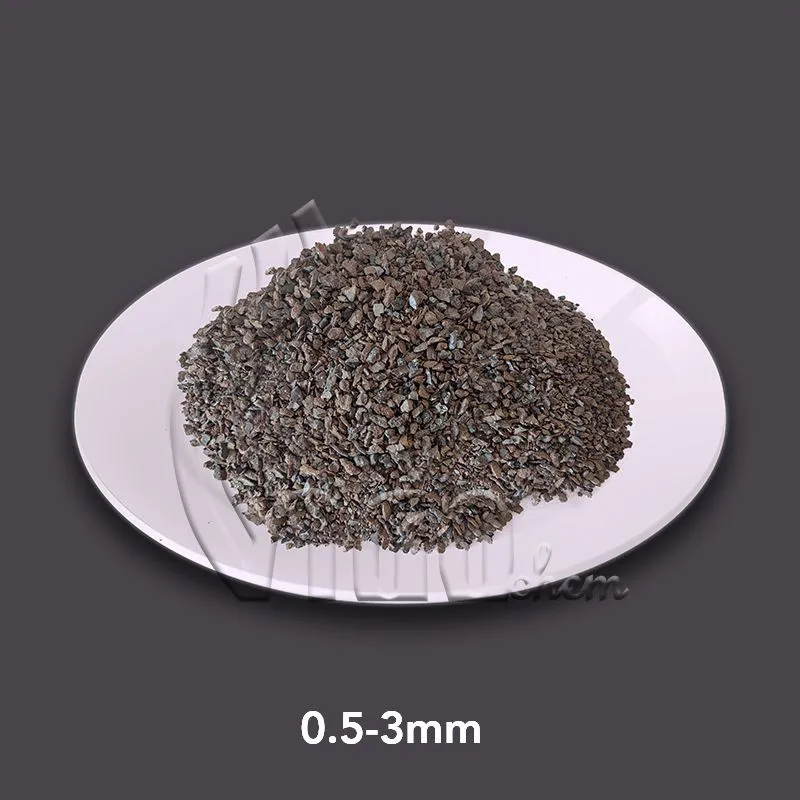
Why Gas Yield Is the Most Important Indicator of Calcium Carbide Quality
In the world of industrial chemicals, calcium carbide is primarily known for its role in the production of acetylene gas. However, not all calcium carbide is created equal; the gas yield serves as a pivotal quality indicator. Users often face challenges in identifying high-quality calcium carbide, leading to inefficiencies and increased costs in their production processes. By understanding the significance of gas yield, professionals can enhance their operations and ensure optimal results in applications such as welding, cutting, and even in the manufacturing of various chemicals. This article will delve into the importance of gas yield, providing clear data-driven insights and comparisons to improve your understanding and decision-making.
Understanding Gas Yield in high purity calcium carbide
Gas yield refers to the amount of acetylene gas produced from a specific quantity of calcium carbide when it reacts with water. For high-quality calcium carbide, a gas yield of at least 300 liters per kilogram is generally considered acceptable in industrial applications. According to criteria established by reputable sources, the purity of calcium carbide directly impacts its gas yield; impurities such as silicon, phosphorus, or moisture can significantly decrease performance. NEW OCEAN GROUP emphasizes the importance of sourcing calcium carbide from reliable manufacturers to ensure high gas yield, which enhances productivity for various applications.
Benefits of High Gas Yield Calcium Carbide
Investing in high purity calcium carbide with a high gas yield presents numerous benefits. For instance, industries utilizing acetylene for welding report efficacy improvements; switching to high-quality calcium carbide can result in up to a 25% increase in welding speed, thereby optimizing operational time and labor costs. In addition, the purity levels help in maintaining consistent product quality—eliminating the variabilities that often arise when using lower-grade alternatives.
Case studies have shown that companies using high gas yield calcium carbide have recognized a 15% reduction in overall production costs over the course of a fiscal year. This reduction can be attributed to decreased material waste and less frequent equipment maintenance due to fewer impurities in the gas produced. In contrast, low-quality calcium carbide can lead to a significant decrease in gas yield—down to 150 liters per kilogram—resulting in hazardous work conditions, unstable production lines, and ultimately, greater costs.
Calcium Carbide Gas Yield Comparison: High vs. Low Quality
To illustrate the impact of gas yield, let’s compare high purity calcium carbide (with gas yields exceeding 300 liters/kg) against inferior products (which can yield as little as 150 liters/kg). The gap in performance is not just startling but critical:
High Gas Yield Calcium Carbide: 300+ liters/kg; excellent for high-temp applications.
Low Gas Yield Calcium Carbide: 150 liters/kg; risk of impurities leading to unsafe outputs.
By choosing high-quality suppliers like NEW OCEAN GROUP, industries can avoid the pitfalls associated with subpar chemicals, such as delayed operations and product loss, creating a significant competitive advantage in the marketplace.
Conclusion: The Value Proposition of High Gas Yield Calcium Carbide
In conclusion, gas yield is a non-negotiable factor when evaluating the quality of calcium carbide. Opting for high purity products ensures maximum efficiency, reduced costs, and safer operational environments. With the potential for increased productivity and cost savings, industries should prioritize suppliers that guarantee high gas yield. Embracing high-quality calcium carbide from trusted brands such as NEW OCEAN GROUP is a strategic decision that directly aligns with operational excellence.
Call to Action
For further understanding of how high purity calcium carbide can elevate your operations or to trial our products, connect with NEW OCEAN GROUP today. Our commitment to quality and excellence is unmatched, and we are here to support your needs.
FAQ
What is gas yield in calcium carbide?
Gas yield refers to the volume of acetylene gas produced per kilogram of calcium carbide when hydrated. It is a measure of the product's quality and efficiency.
How does purity affect gas yield?
A higher purity level in calcium carbide leads to better gas yield, decreasing the likelihood of impurities that can hinder performance and production efficiency.
How can I ensure I’m purchasing high-quality calcium carbide?
Choose established suppliers recognized for their quality control practices, such as NEW OCEAN GROUP, and verify product specifications to ensure high gas yield.