








To Define Do Not Be Defined






In the world of industrial chemicals, calcium carbide is primarily known for its role in the production of acetylene gas. However, not all calcium carbide is created equal; the gas yield serves as a pivotal quality indicator.
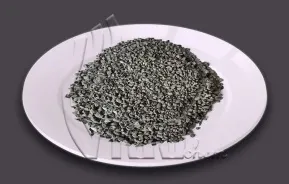
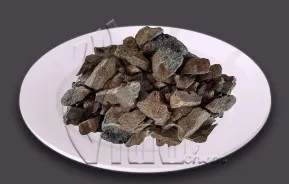
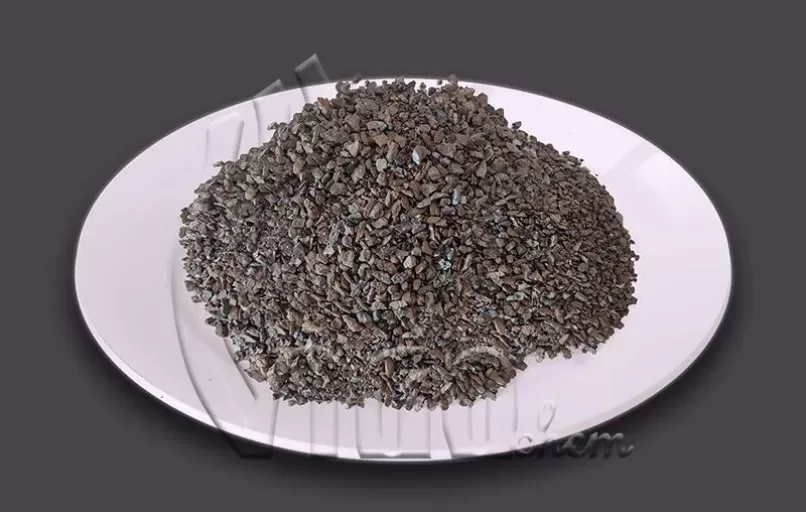
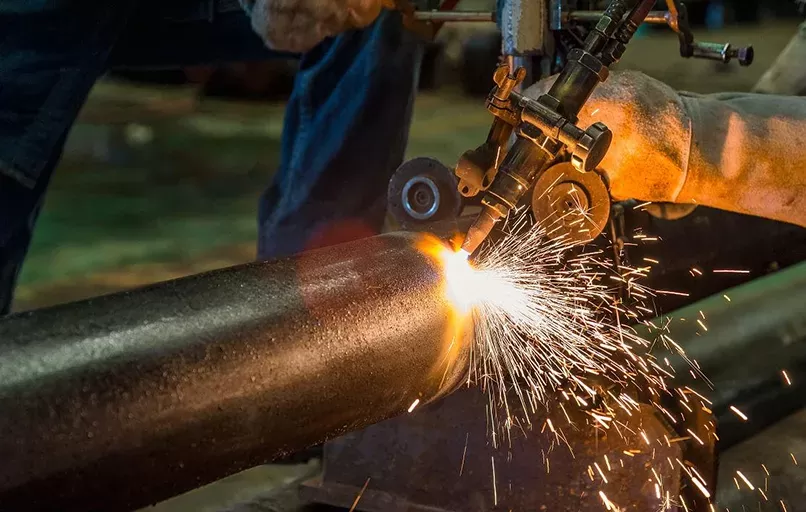
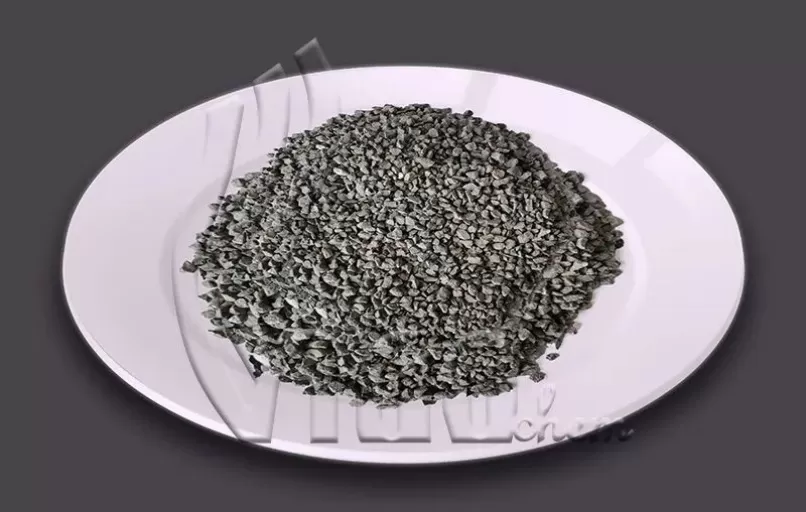
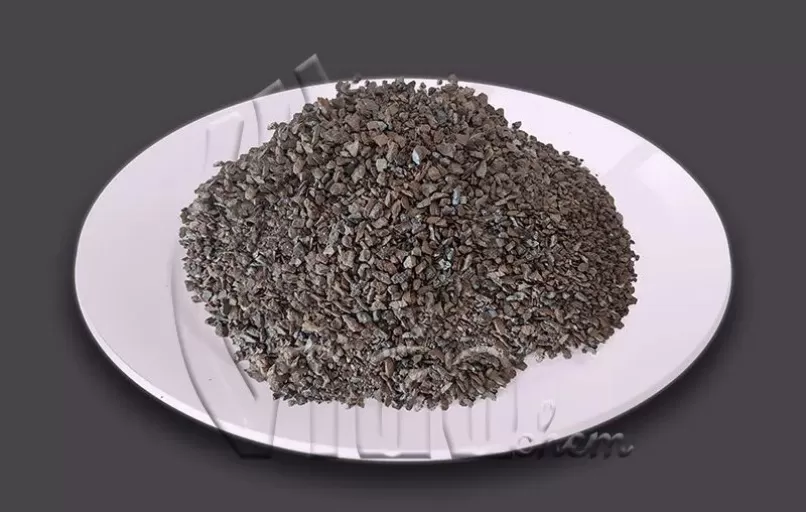
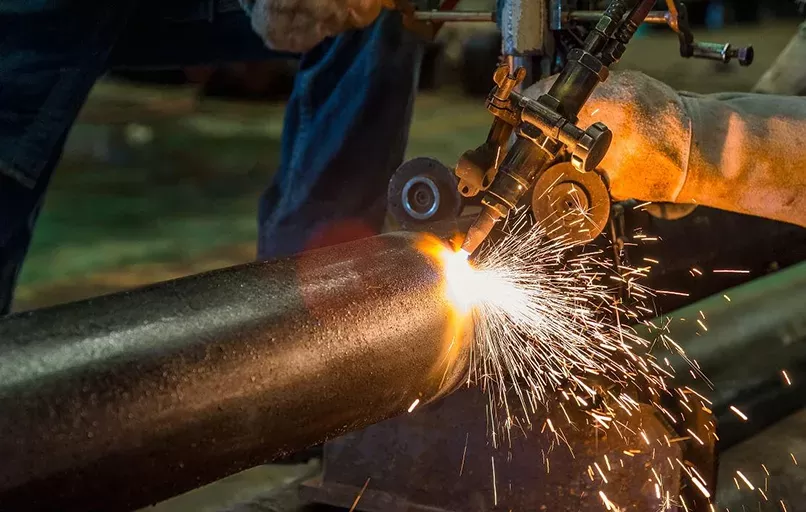
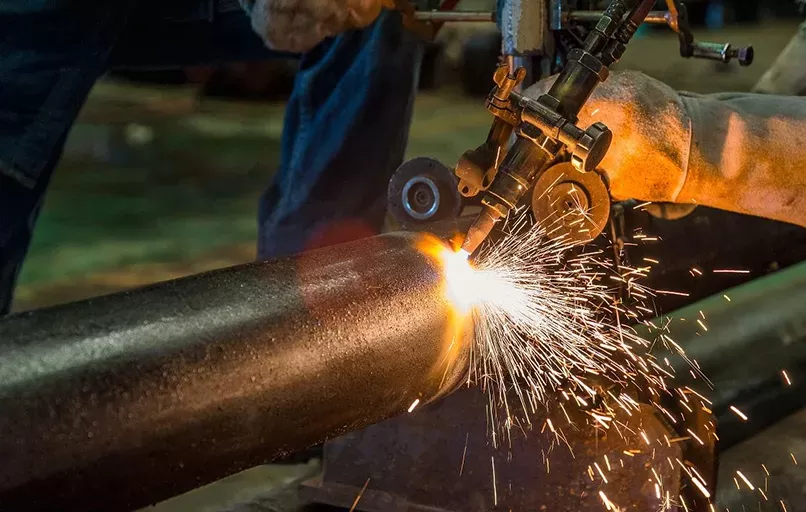
Calcium carbide is a compound primarily used in the production of acetylene gas, which has significant applications in welding and metal cutting. The distinction between 25-50mm and 50-80mm calcium carbide refers to the size of the lumps, with each serving specific industrial needs.
High purity calcium carbide plays a pivotal role in modern manufacturing due to its versatility and efficiency. It serves as a crucial raw material in several industrial applications, including the production of acetylene gas, desiccants, and high-performance alloys.
25-50mm calcium carbide is crucial in industrial processing. It has various applications that can greatly benefit industries. This material primarily produces acetylene gas, which is used in welding and cutting. Additionally, calcium carbide aids in the production of chemicals and fertilizers. The efficient nature of this compound makes it a popula
Calcium carbide lumps are larger pieces of calcium carbide, typically used in industrial applications where high temperature is required. Their size allows for controlled release of acetylene gas when water is added.
High purity calcium carbide is a chemical compound, primarily composed of calcium and carbon (CaC₂), that boasts remarkable purity levels exceeding 98%. Its primary application in industrial settings revolves around its use in producing acetylene gas, which serves as a fundamental building block in various chemical processes.
Calcium carbide is essential for mining and construction. This chemical compound enables the generation of acetylene gas, which is crucial for various industrial processes. In mining, it aids in carbide lamps that provide illumination in dark tunnels.
The global calcium carbide market is in a state of flux, with prices predicted to witness significant changes by 2025. Industry stakeholders face pain points such as volatile pricing and supply chain disruptions, which can impact budgeting and project timelines.
The debate between the ethylene process and the calcium carbide process for PVC production is more critical than ever, particularly as manufacturers seek to optimize costs and enhance product quality. Users often ask, "Which process is more efficient and cost-effective?” or “What are the environmental impacts of these methods?”
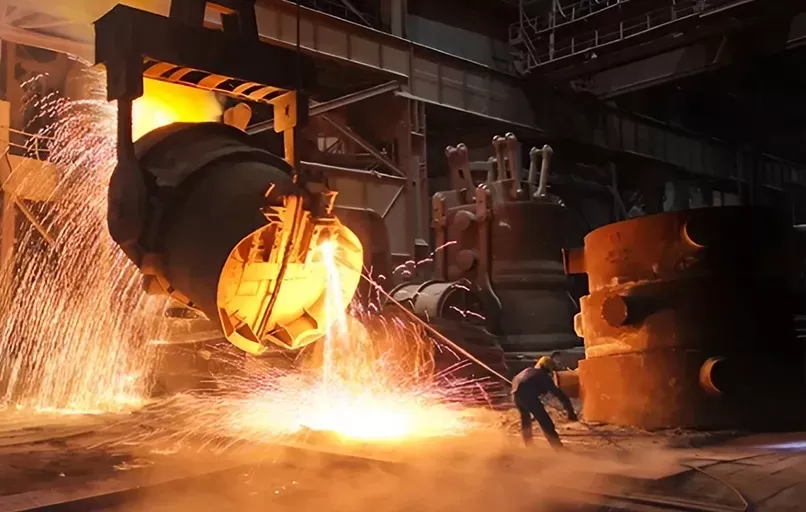
Calcium carbide plays a vital role in the steel industry, primarily used for the production of acetylene gas and as a desulfurizing agent in steelmaking. Understanding the pricing dynamics of calcium carbide is essential for steel manufacturers and suppliers who are looking to optimize their production costs.
In recent years, calcium carbide has gained prominence as a critical compound in various industries, particularly those involving chemical manufacturing and agriculture. As a leading calcium carbide supplier, NEW OCEAN GROUP recognizes the significance of calcium carbide's emergence in solving challenges in these sectors.
In the industries of metal processing, oil refining, and chemical manufacturing, achieving effective desulfurization is critical to product quality and environmental compliance. Calcium carbide, sourced from reputable calcium carbide suppliers like NEW OCEAN GROUP, offers a viable solution to combat sulfur emissions.
Calcium carbide plays a significant role in various industries, particularly in chemical manufacturing and agricultural practices. As a key chemical compound, its emergence has transformed processes by enhancing efficiency and productivity.
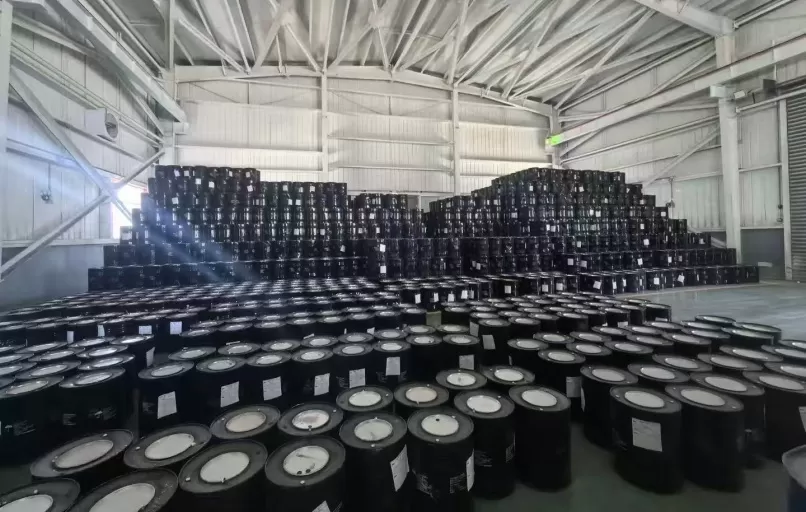
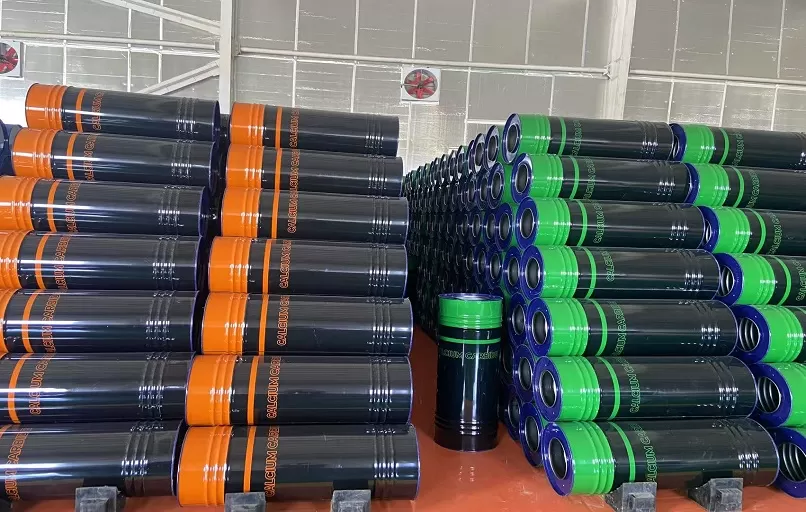
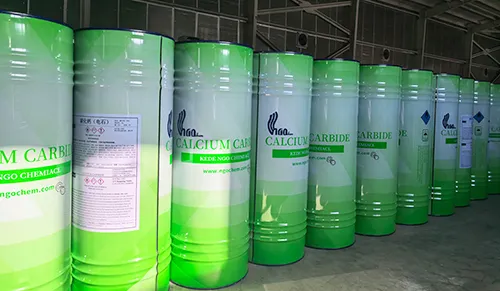
Calcium carbide packaging requirements are critical for ensuring safety and efficiency. Proper packaging prevents accidents during transportation. Many industries rely on calcium carbide for various applications, including manufacturing and chemical processes. Although calcium carbide has many benefits, its handling and storage pose risks.
Handling calcium carbide safely is crucial for anyone who works with this chemical. Calcium carbide can produce harmful gases when exposed to moisture. Many people may not realize how dangerous it can be. It is essential to understand both the risks and the safety measures. In this article, we will uncover the facts about calcium carbide handling,
Calcium carbide is a crucial compound widely utilized in various industries, particularly in mining and steel production. As a powerful reducing agent and source of acetylene, it plays an essential role in the production process of many metallurgical applications.
Fruit maturation using calcium carbide is a common practice in many countries to ripen fruits quickly. This method has garnered attention due to its practicality, especially in places where fruits need to be ripened rapidly for market sale.
Calcium carbide is a crucial chemical compound that plays a significant role in various industries. The demand for calcium carbide is growing due to its applications in producing acetylene gas, which is used in welding and cutting processes.
Calcium carbide plays a crucial role in the steel industry. It helps improve the quality of steel while being an important component in various processes. This compound can enhance desulfurization, increase efficiency, and reduce production costs. Many steel manufacturers rely on calcium carbide to ensure the purity of their products. However, ther
Calcium carbide is crucial for acetylene manufacturing. Acetylene is a widely used gas in welding and chemical reactions. The problem arises in understanding how calcium carbide is made and utilized. Many people are curious about its production and safety measures.
Calcium carbide is commonly used in agriculture to accelerate the ripening of fruits. The calcium carbide agricultural ripening process addresses several pain points for farmers and distributors, including the need for timely harvests and improved fruit quality.
Consider from the perspectives of cost factors, quality differences, molecular weight distribution, etc.
Calcium carbide is essential in the acetylene production process. This chemical compound plays a crucial role in creating acetylene gas, which is widely used in various industries. The production of acetylene from calcium carbide can sometimes pose challenges.
In the industries of metal processing, oil refining, and chemical manufacturing, achieving effective desulfurization is critical to product quality and environmental compliance. Calcium carbide, sourced from reputable calcium carbide suppliers like NEW OCEAN GROUP, offers a viable solution to combat sulfur emissions.
Industrial companies often confront the challenge of excessive sulfur emissions, leading to environmental concerns and regulatory pressures. One effective solution is the use of calcium carbide as a desulfurizer.

Jun. 26, 2025
Comparative analysis of PVC preparation methods: calcium carbide method vs ethylene method
Polyvinyl chloride (PVC) is one of the most widely used synthetic plastic polymers, commonly produced through two main methods: the calcium carbide method and the ethylene method. This article provides an in-depth comparative analysis of both approaches, focusing on their advantages, disadvantages, and suitable applications.
Finding quality calcium carbide can be challenging, especially for overseas buyers and distributors. Many companies struggle with searching for reliable suppliers, ensuring product quality, and understanding import regulations. Calcium carbide is used in various applications, including steelmaking, producing acetylene gas, and manufacturing PVC.
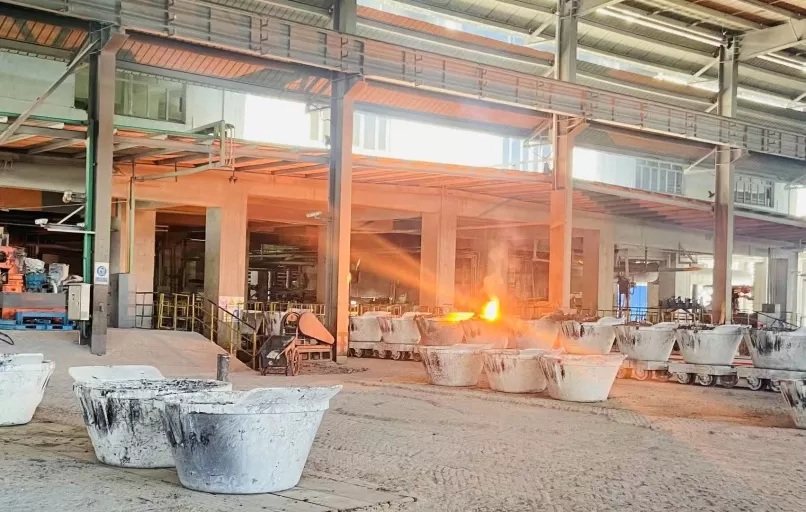
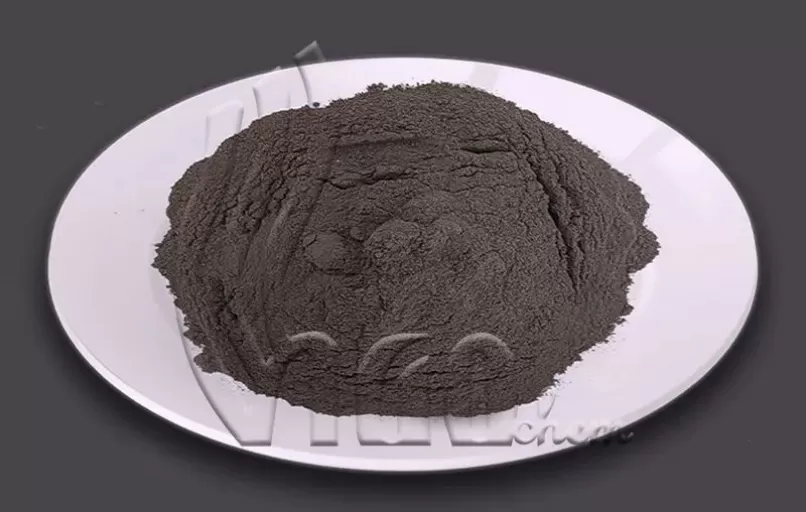
Calcium Carbide is also called calcium acetylide, which is a chemical compound having the chemical formula of CaC2. Mainly, it is used industrially for the production of calcium cyanimide and acetylene and Ethylene.
Carbide is used in different industries and applications including: (1) Production of acetylene The reaction of calcium carbide with water, producing acetylene and calcium hydroxide.
The main component of carbide slag slurry is calcium hydroxide (Ca (OH) 2). Calcium carbide slag slurry is a gray brown turbid liquid.
To Define Do Not Be Defined